

Stoptober 2026: Alcohol, Addiction and Quit Smoking Support for UK Veterans
30 Sep 2026
Support for the whole family – before they go, while they’re away and when they come home
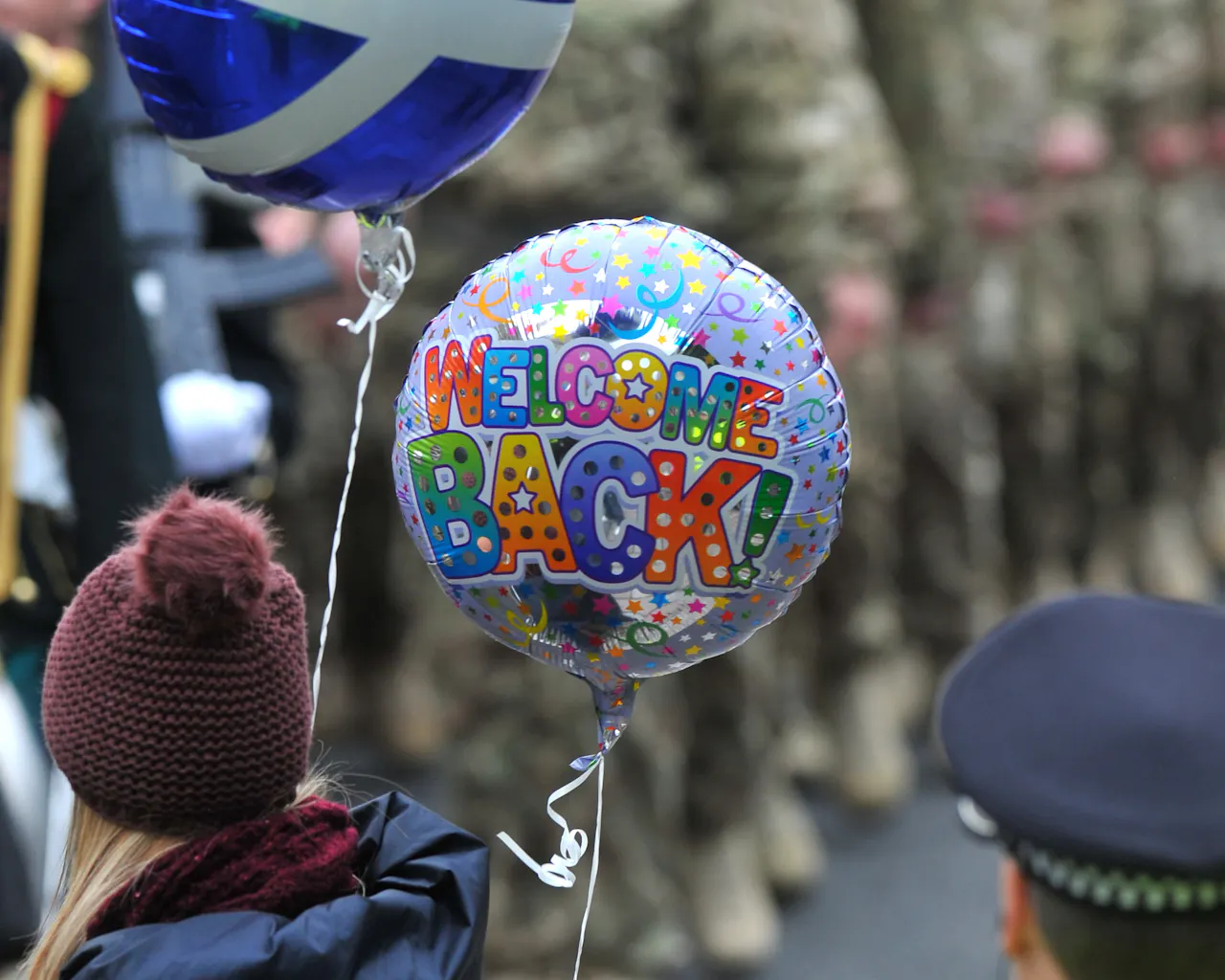
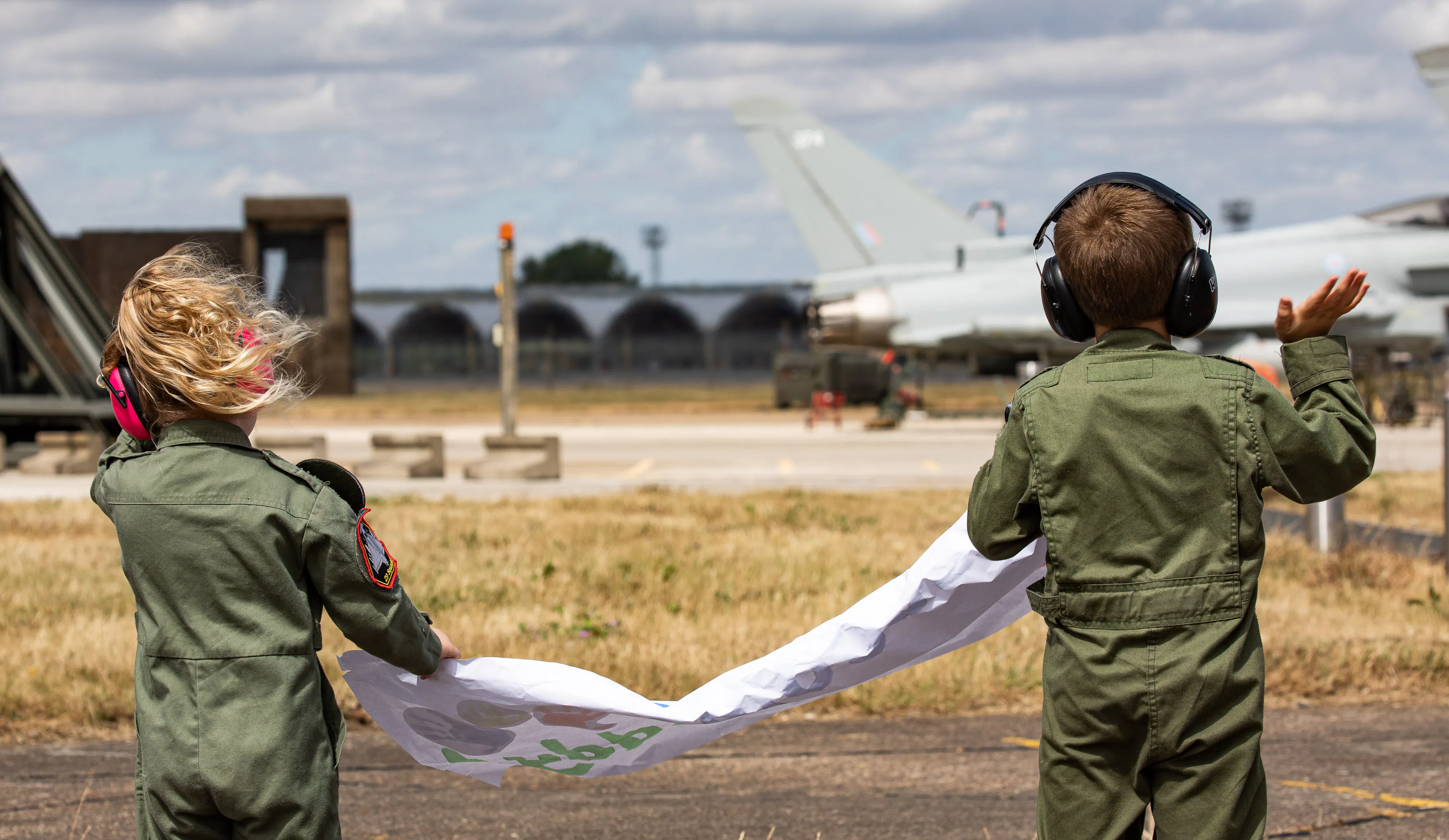
Deployment changes everything at home. One parent runs the house alone. Children count down days. Plans get cancelled. Then, months later, everyone has to adjust all over again.
Both parts are hard. The time apart gets most of the attention, but the homecoming can be just as tricky. This page brings together the support available to spouses, partners, children and wider family at every stage.
The weeks before someone leaves are often busy and tense. A bit of planning now makes the months ahead easier.
Running a home single-handed while worrying about someone overseas is exhausting. It’s normal to feel lonely, anxious, angry or flat – sometimes all in one day.
Support is available from:
For children, Little Troopers offers free resources for home and school to help with separation, plus events and activities for children with a parent deployed.
→ [Read our guide: Supporting your family during deployment]
Homecoming is often pictured as the happy ending. In reality it can take weeks or months to settle.
Routines have changed. Children have grown. The parent at home has been making every decision, and the returning partner may feel like a visitor in their own house. They may also be tired, on edge or quiet after what they’ve experienced.
Things that help:
Long periods apart put strain on any relationship. Getting support early, before problems grow, makes a difference.
Relate offers free counselling for many Forces couples and families, funded by Service charities including the Royal Navy and Royal Marines Charity and the RAF Benevolent Fund. Free online programmes are also available for some serving couples.

Military partners often put everyone else first. But your own wellbeing matters too, and it affects the whole family.
If you’re struggling with anxiety, low mood or stress, speak to your GP and tell them you’re part of a Forces family. Your Families Federation and HIVE can also point you to local support.
If you need help now:
Samaritans: call 116 123, free, 24/7
NHS 111: choose the mental health option
In an emergency: call 999

When a serving parent or partner dies, the whole family needs support, and so do children.
Scotty’s Little Soldiers supports children and young people aged 0 to 25 whose parent served in the Armed Forces and has died, whatever the cause. Support includes one-to-one bereavement help, respite breaks and the chance to meet others who understand. Call 0800 092 8571.

Who do I contact if there’s an emergency at home while my partner is deployed?
Contact the unit welfare office. They can advise on support and, where appropriate, help get a message to your partner.
Is there deployment support for children?
Yes. Little Troopers offers free resources and events for children with a parent away, and the Families Federations publish deployment guides that include advice for children. Let your child’s school know too.
Can I get free relationship counselling as a military couple?
Many Forces couples can. Relate provides free counselling funded by Service charities. Eligibility depends on your Service, so check with Relate or your Families Federation.
Why is homecoming so hard when we’ve missed each other?
Everyone has changed while apart. Roles, routines and children have moved on. Most families need several weeks to adjust, and that’s normal.
Where can I get help if my partner seems different since coming home?
Speak to your unit welfare officer or their medical team, and encourage your partner to see a GP. If you’re worried about their immediate safety, call 999.
30 Sep 2026

22 Jul 2026

22 Jun 2026

15 Jul 2026

30 Jun 2026

18 Aug 2026