How to Write a Military CV: The Complete Ex-Forces Guide
Practical help to turn your military experience into a civilian CV employers actually understand

Your military experience is an asset. Your CV should make that impossible to miss.
Civilian employers want people with your skills — leadership, pressure handling, planning, teamwork, problem-solving — but they won’t see it unless your CV speaks their language.
Before you rewrite your CV, read this
Most ex-military CVs don’t fail because of experience.
They fail because employers don’t understand how military roles translate.
Common issues we see:
- Military job titles that mean nothing outside the Forces
- Leadership and responsibility massively underplayed
- Achievements written as duties rather than outcomes
- Qualifications listed without civilian context
This guide shows you how to fix that, step by step.
To get started, our partner SaluteMyJob offers a clear and practical CV template for ex-military jobseekers.
What Employers Need to See... Fast
A recruiter spends 20–30 seconds scanning your CV. In that time, they’re looking for three things:
✔ Who you are now (not your rank)
✔ What you can do (in civilian terms)
✔ What impact you’ve made (results, not tasks)
The biggest obstacle for ex-military candidates isn’t experience — it’s translation. Civilian hiring managers don’t understand job titles, acronyms or the context you worked in. Your CV must make your value obvious, instantly.
Before You Start — The Essentials
Get these right first. They make or break your CV.
- Keep it 1–2 pages, max 3 for technical roles.
- Use UK English spellcheck.
- Zero spelling or grammar mistakes — they’re a dealbreaker.
- Use a clean layout, simple fonts, no colours or graphics.
- Create one master CV, then tailor it for each application.
- Remove personal details (DOB, marital status, NI number, medical info).
- Avoid all military jargon and abbreviations unless translated.
- Always submit a covering letter or short email introduction.
Download Your Ex-Military CV Template
Start with a layout that already works for civilian employers.

The CV Structure That Works
This is the structure civilian hiring managers expect. Stick to it, no creative layouts needed.
1. Contact Details
Name, phone, email, general location (not full address).
No personal info.
Avoid:
Date of birth, marital status, medical details, NI number, photos.
2. Personal Profile Statement
This sits at the top of your CV and must grab the reader’s attention.
Keep it:
- Short (4–6 lines)
- Civilian-friendly
- Focused on who you are now, not ranks or years served
- Clear about the value you bring
Avoid clichés (“hard-working team player”) and avoid stating how many years you served (it signals age).
3. Key Skills & Achievements
List your top hard and soft skills, in order of relevance.
Examples:
- Leadership
- Operations planning
- Communication
- Problem-solving
- Logistics
- Stakeholder management
- Technical skills (translated to civilian equivalents)
Show evidence where possible.
Use civilian language.
4. Work History (Last 10 Years)
List roles in reverse chronological order.
Each role should include:
- Job title (translated if needed)
- Company/Unit (include a short description only if helpful)
- Dates
- 3–5 bullet points showing achievements, not duties
Avoid:
“Responsible for…”
Instead use action verbs: led, delivered, coordinated, monitored, created, improved.
5. Education and Training
Only include what’s relevant.
- List in chronological or relevance order
- Include ongoing qualifications
- Translate military qualifications into civilian-language equivalents
- Avoid dates if you don’t want age bias
6. Hobbies & Interests (Optional)
Only include if they add value or demonstrate relevant qualities (fitness discipline, team sports, volunteering, coaching, etc.)
7. References
Use the standard line:
References available on request.
If you have standout recommendation letters or SJAR/OJAR extracts, attach separately — do not clutter the main CV.
Download Your Ex-Military CV Template
Start with a layout that already works for civilian employers.
How to Translate Your Military Experience Into Civilian Language

This is the single most important skill in writing your CV.
You might have led teams under pressure, managed million-pound equipment, or coordinated operations most civilians couldn’t imagine — but to an employer, it can sound like a foreign language.
The secret? Translate your military experience into plain, powerful, civilian-friendly language.
Your time in uniform has given you leadership, resilience, strategy, teamwork, and problem-solving skills that most employers are crying out for. But if you’re still using military jargon, those strengths might be getting lost in translation.
Instead, focus on what you did, why it mattered, and the results you delivered. For example:
A Warrant Officer could frame their experience as a Department Manager or Team Leader.
A Submarine Intrusion Analyst might describe their skills in cybersecurity, systems management, and secure communications.
Once you learn to tell your story in a way employers instantly understand, doors start to open.
Translate job titles
Use a civilian-friendly equivalent.
Examples:
- Section Commander → Operations Team Leader
- Petty Officer → Supervisor / Team Lead
- Vehicle Mechanic → Maintenance Technician
- Storeman → Logistics & Inventory Coordinator
- Instructor → Training & Development Trainer
Translate responsibilities into achievements
Instead of:
“Responsible for equipment checks”
Use:
“Improved fleet readiness by introducing structured daily inspections, reducing downtime.”
Remove all jargon
Avoid acronyms and military terms unless spelled out and explained.
If in doubt: leave it out.
Use measurable impact
Numbers prove value.
For example:
- team size
- % improvements
- cost savings
- readiness levels
- volumes handled
- time reductions
Click here to out more about how to translate you military skills.
Top Transferable Military Skills Employers Value
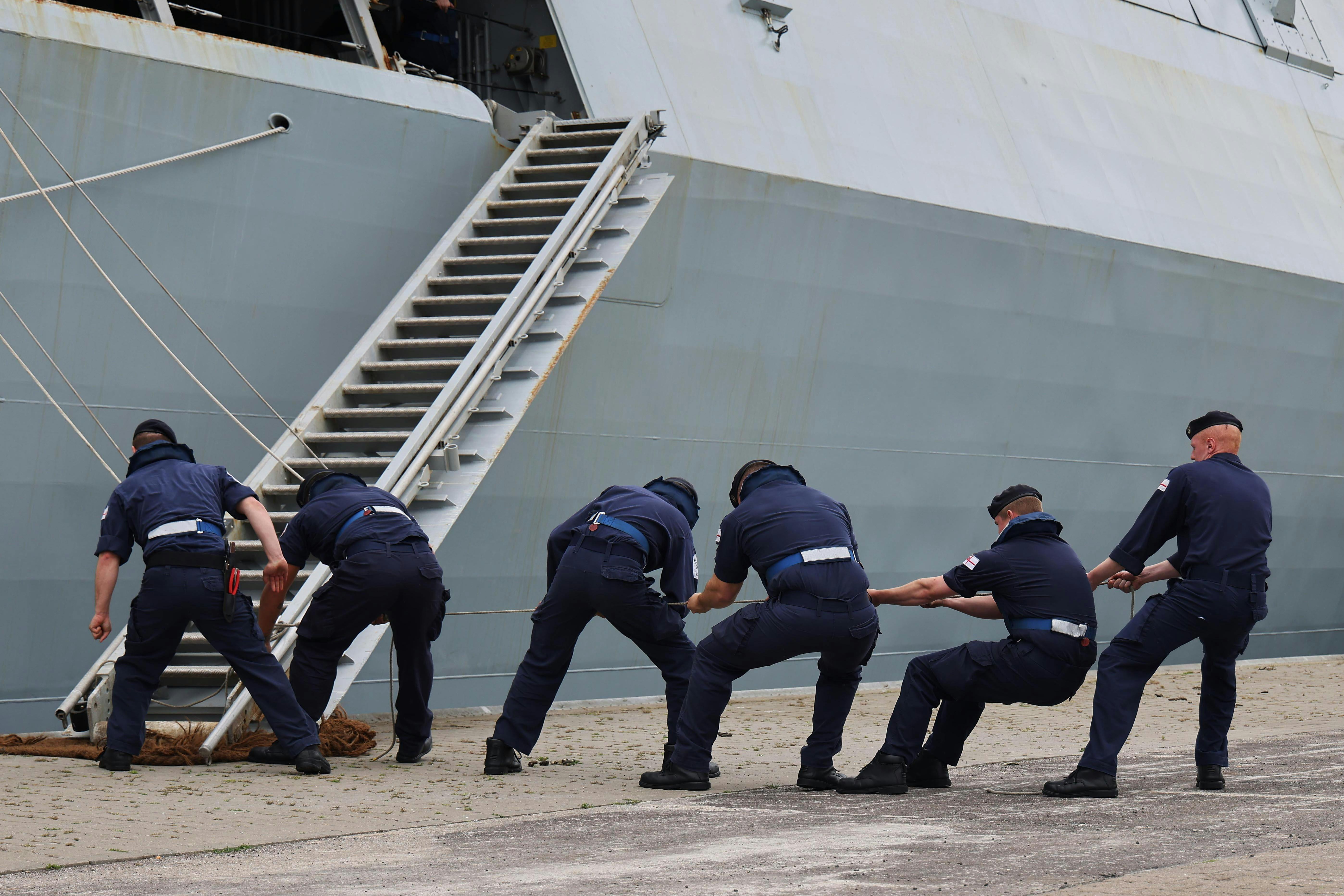
Veterans bring a wealth of transferable skills that employers actively seek. From leadership and teamwork to problem-solving, discipline, technical expertise and project management, military experience develops capabilities that directly add value in civilian workplaces. The key is learning how to present these skills in clear, employer-friendly language.
Leadership and teamwork – leading people, working under pressure, supporting colleagues.
Discipline and reliability – showing up, getting the job done, sticking to high standards.
Problem-solving and adaptability – staying calm in fast-changing situations.
Technical know-how – IT systems, engineering, logistics, communications.
Project management – planning, coordinating, delivering on time.
These transferable skills from the military are what employers are looking for; the trick is to phrase them in their language.
Search for Forces-Friendly Organisations.

Free CV Workshops and Services for Ex-Forces
Not sure where to begin? Many organisations run CV workshops for ex-forces personnel. These sessions help you practise, get feedback, and see examples of what a winning CV looks like. They can also help with confidence and preparation for interviews.
Explore free workshops for Veterans.
Final CV Checklist
- Profile written in civilian language
- Military job titles translated
- Bullet points, not paragraphs
- Achievements included with numbers
- 1–2 pages
- Zero spelling errors
- Skills aligned with job description
- PDF format ready to upload
- “References available on request” included

FAQs: Ex-Military CV Writing
How do I translate my military experience into civilian terms?
Focus on the outcomes of your work. Instead of listing your rank or posting, explain the skills you used – leadership, planning, communication – and link them to civilian examples.
What transferable skills from the military are most valued by employers?
Employers often look for leadership, reliability, teamwork, problem-solving, and adaptability. Technical skills and qualifications can also stand out.
How do I explain military jargon in my CV?
Keep it simple. Swap terms like “Sergeant” for “Team Leader” or “Operations Manager.” Always choose language a civilian recruiter will understand.
Are there free CV-writing services for ex-military personnel in the UK?
Yes. Organisations like the Career Transition Partnership (CTP), RFEA, and various Forces charities provide free CV advice and support for veterans. You can find more details in Troopr’s directory.
Download Your Ex-Military CV Template
Start with a layout that already works for civilian employers.